Dark Rental Apartment? Fix the Lighting Before You Fight the Room
Dark apartment? Learn how to brighten a dark room by diagnosing the light first, improving daylight, and adding lighting where it actually matters.
A dark apartment does not always need lighter furniture, bigger mirrors, or more white decor. First figure out whether the room is actually short on usable light, getting very little daylight, or simply making the light it has work badly.
If everyday activities are difficult, fix the lighting first. If the room works but still feels gloomy, the better answer may be to work with the darkness instead of redesigning everything around it.
Quick Take
First, Figure Out Why the Apartment Feels Dark
Before buying another lamp, spend a day paying attention to the room.
Look at it in the morning, around midday, and again in the evening. Turn the lamps off during the day and notice where the natural light actually reaches.
You’re trying to separate three problems that can look very similar at first.
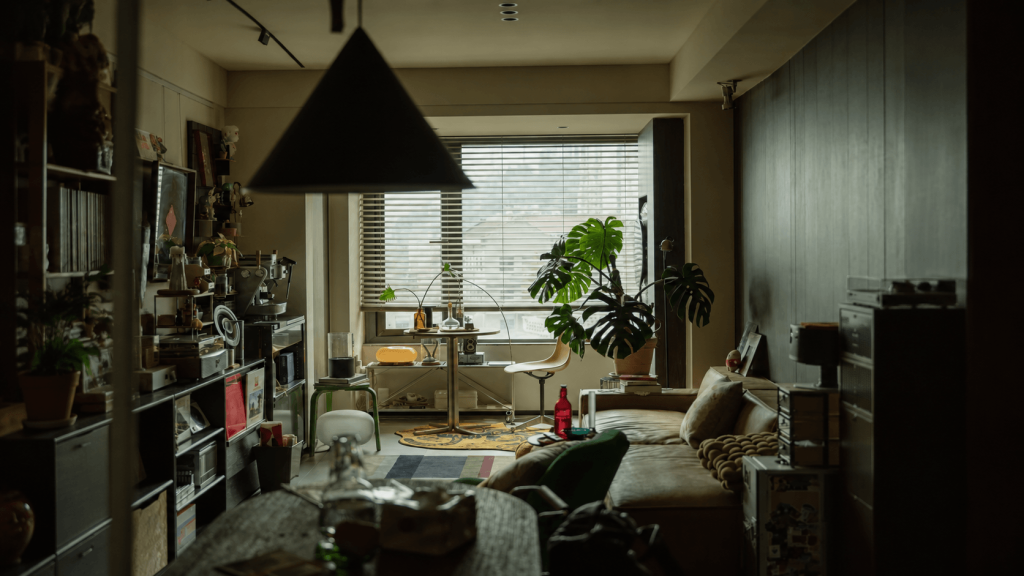
You Really Don’t Get Much Natural Light
Some rentals simply have limited daylight.
A window might face another building, sit under an overhang, or look into a shaded courtyard. A long room may have decent light near the window while the back half stays dim all day.
In that situation, moving a mirror or buying white cushions isn’t going to create another window.
What is useful is understanding the pattern.
If the first six feet of your living room get decent daylight but the sofa at the other end never does, you now know where artificial lighting needs to take over.
And if the entire room stays dim even at midday, you can stop treating the problem as something you haven’t decorated correctly.
If the room is fine during the day but falls apart after sunset—and there’s no ceiling fixture—see what to check before buying more lamps.
You Have Light—Just Not Where You Need It
This is a different problem, and often an easier one to solve.
Your living room may have a perfectly good window and still feel dark when you sit on the sofa at night. Your desk might be tucked into a corner that never gets enough light. The kitchen may be bright enough overall while the actual prep surface sits in shadow.
The apartment doesn’t necessarily need to be brighter everywhere.
It may just need light in more useful places.
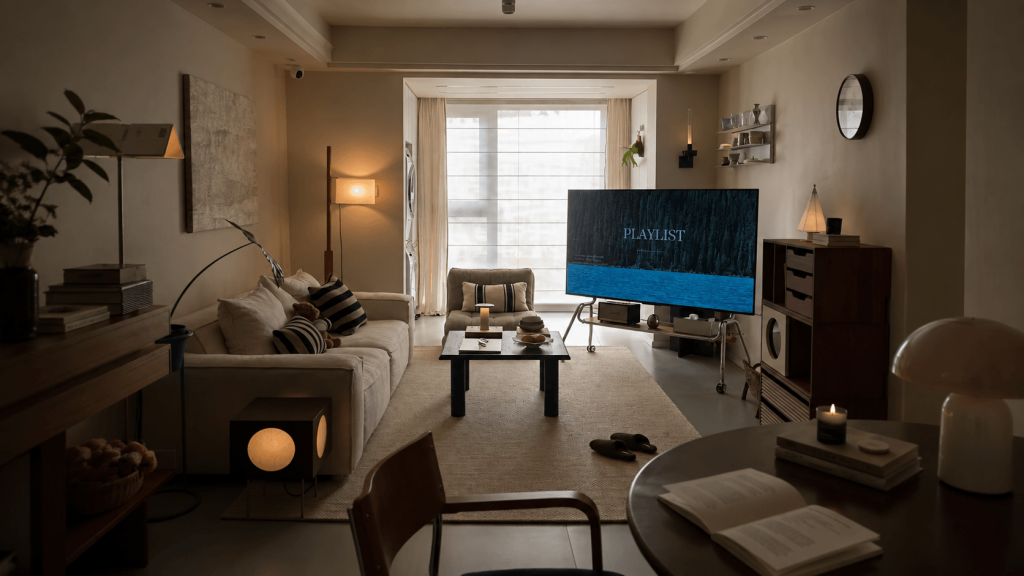
The Room Is Making Limited Light Work Harder
Sometimes you do have usable daylight, but it isn’t getting very far.
Heavy curtains may still cover part of the glass when they’re open. A tall piece of furniture might sit beside the window. Plants, decor, or a crowded windowsill can take up more of the opening than you realize.
At night, a dark lampshade or an underpowered bulb may be doing something similar.
None of this means you need to replace every dark object in the room. Start with whatever is actually interfering with the light source.
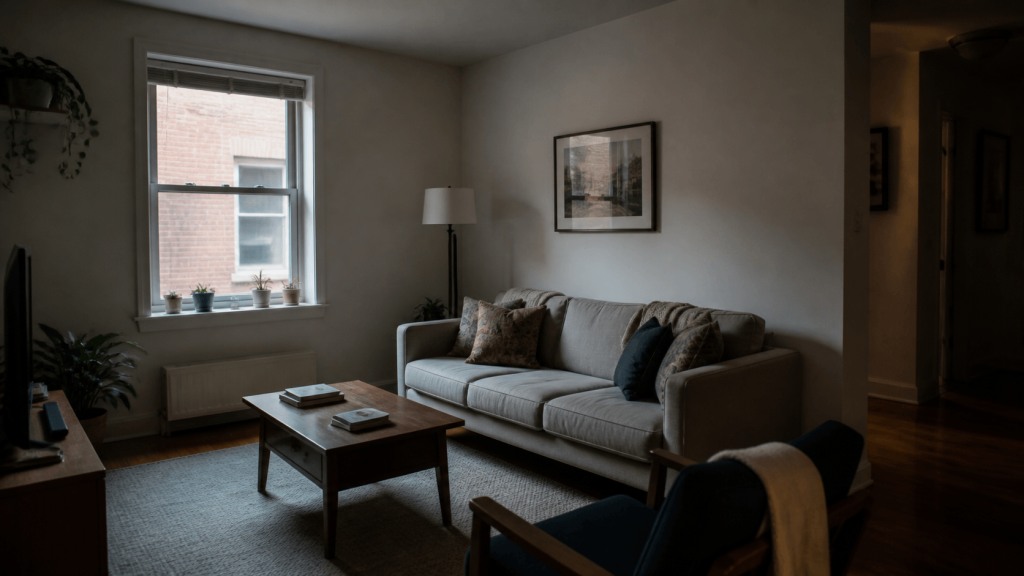
Fix the Lighting Before You Try to Brighten the Whole Room
If the room is genuinely difficult to use after sunset, I’d spend money here before buying lighter decor.
Lighting is one of the easier rental problems to improve because most of what you buy can move with you.
Stop Asking One Ceiling Light to Do Everything
A lot of rentals give you one central ceiling fixture and leave it at that.
That light is then expected to illuminate the sofa, dining table, reading chair, desk, and every corner of the room.
Even when the fixture is technically bright enough, the result often isn’t very comfortable. You get a pool of overhead light in the middle of the room while the places where you actually sit or work remain poorly lit.
You don’t necessarily need to replace the fixture.
Let it do less.
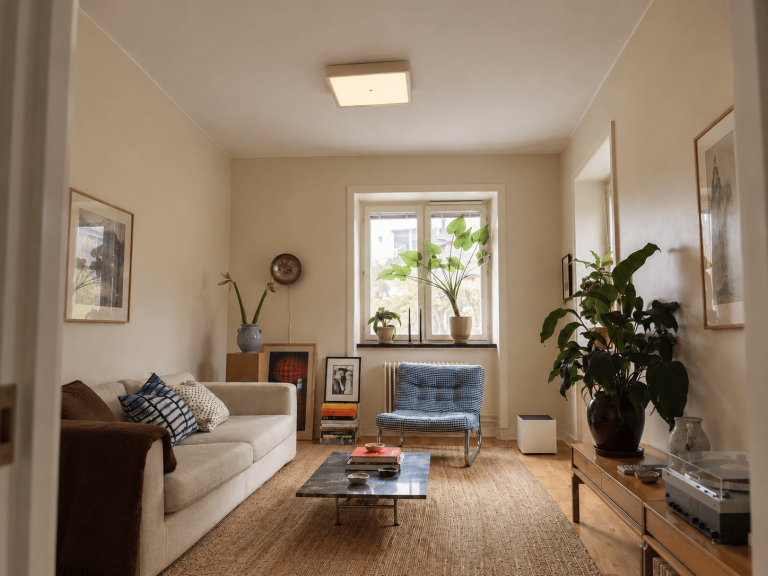
Imagine a typical rental living room with a ceiling light in the center and a sofa against one wall. If reading on that sofa is uncomfortable at night, start with a floor lamp beside it. See what happens before adding anything else.
One well-placed light can be more useful than making the ceiling fixture brighter.
Put Light Where an Activity Happens
Instead of thinking about how many lamps a room is “supposed” to have, look at what you actually do there.
If you read on one end of the sofa, that area needs light.
If you work at a desk in the corner, the desk needs light.
If you regularly prepare food on a kitchen counter that sits in shadow, that surface needs light.
A floor lamp, table lamp, task lamp, or renter-appropriate plug-in light can solve a specific problem without becoming a permanent part of the apartment.
This is also where spending on a rental can make sense. A lamp that works beside your sofa now may work beside a chair, desk, or bed in your next home.
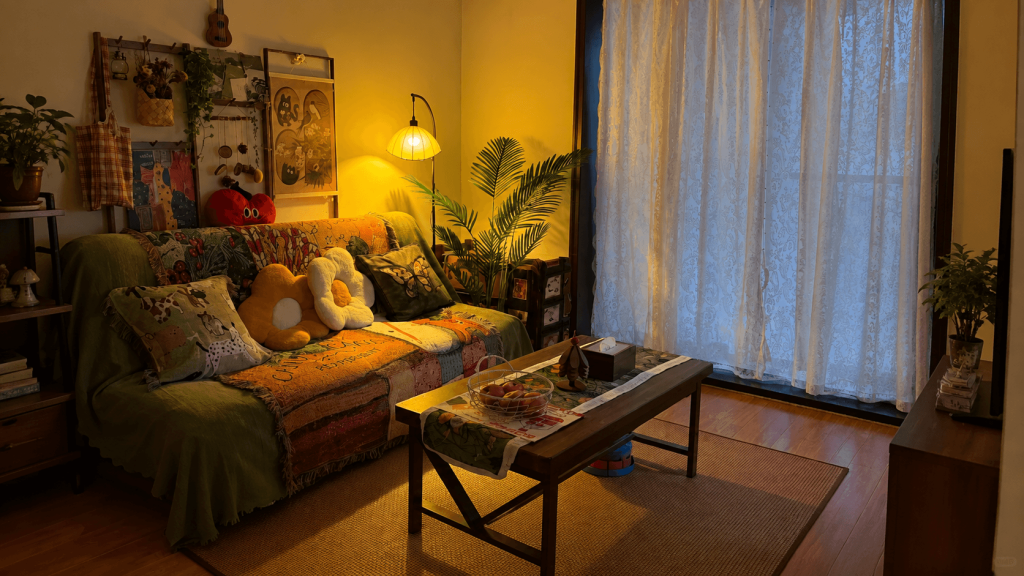
Check the Bulb Before You Blame the Room
Brightness and color temperature are different problems.
A room can genuinely be too dim, in which case you need more usable light. But a room can also be bright enough and still feel unpleasant because the only light is cool, harsh, or coming from directly overhead.
Making that light even brighter won’t necessarily make the room feel better.
Before buying a new fixture, check what bulb you’re using and whether the lamp or fixture can safely accommodate something more appropriate for the space. Follow the fixture’s wattage and bulb requirements rather than simply installing the brightest bulb you can find.
The goal isn’t maximum brightness.
It’s being able to use the room comfortably.
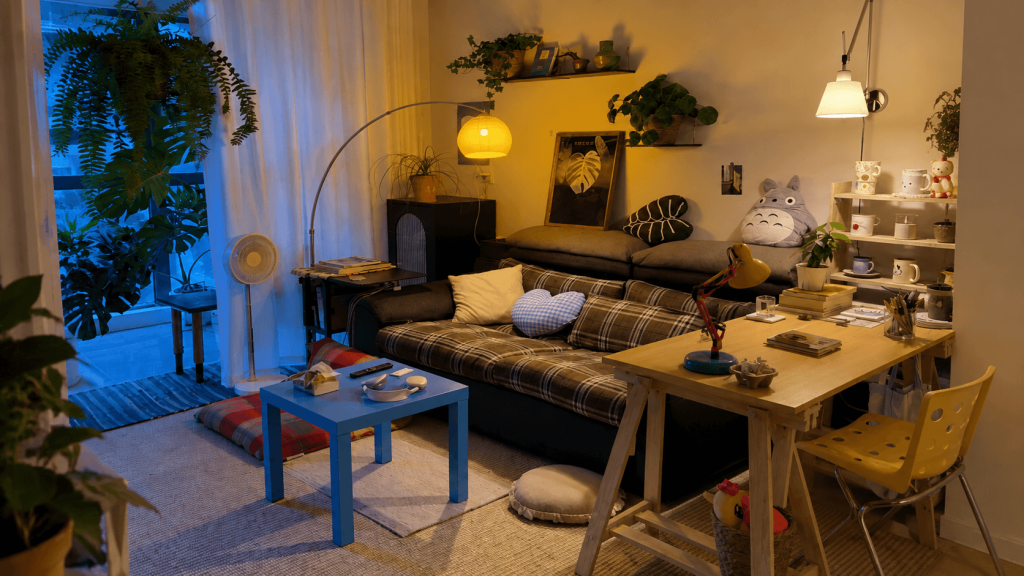
Get More From the Daylight You Already Have
Artificial lighting solves what happens when natural light isn’t enough. But before accepting that a room gets “no light,” make sure you aren’t accidentally blocking the light it does receive.
Start at the window.
Open the curtains or blinds as far as they’re designed to go and look at how much glass is actually exposed.
Curtain panels sometimes hang partly over a small window even when fully open. Furniture can creep into the opening. A windowsill that gradually became plant storage can reduce usable light too.
You don’t need a completely bare window. Just notice whether anything is taking away daylight without giving you much in return.
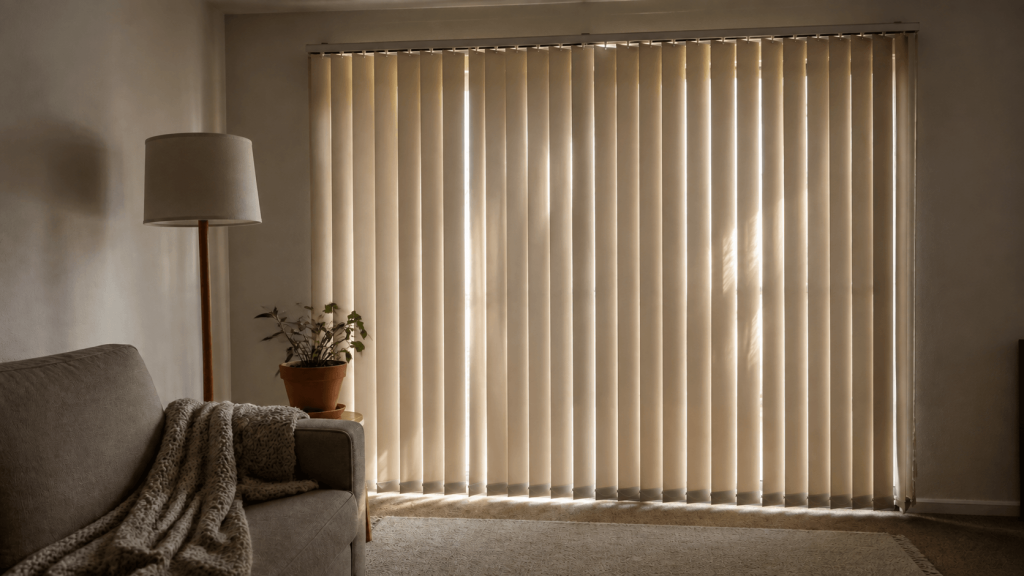
If vertical blinds are part of the problem, check how far they stack when open before deciding they need to come down. Sometimes changing how you use the window treatment is enough to expose more glass.
If the blinds themselves are what bother you, see our guide to dealing with ugly vertical blinds in a rental.
Mirrors Can Help—but Placement Matters
Mirrors are probably one of the most repeated suggestions for dark rooms.
They can be useful. But a mirror doesn’t create light.
A large mirror placed in a dark corner with nothing bright to reflect is still a mirror in a dark corner.
Before buying one specifically to brighten the room, look at what it would actually face. A mirror that catches daylight from a window or reflects a brighter part of the room can help redistribute that brightness visually.
If there’s no useful light in its path, buy the mirror because you want a mirror—not because a list of dark-apartment hacks told you to.
What If This Room Is Never Going to Be Bright?
This is the part that can be harder to accept.
You can improve your lamps. You can stop blocking the window. You can move the sofa and reconsider the curtains.
And the room may still be dark.
A ground-floor apartment facing a neighboring building isn’t going to turn into a sun-filled loft because you found the right combination of mirrors and white textiles.
At that point, it’s worth changing the goal.
What if “bright” isn’t the goal?
If the room’s natural light is one of the things you can’t change, explore more ways to work with fixed rental constraints instead.
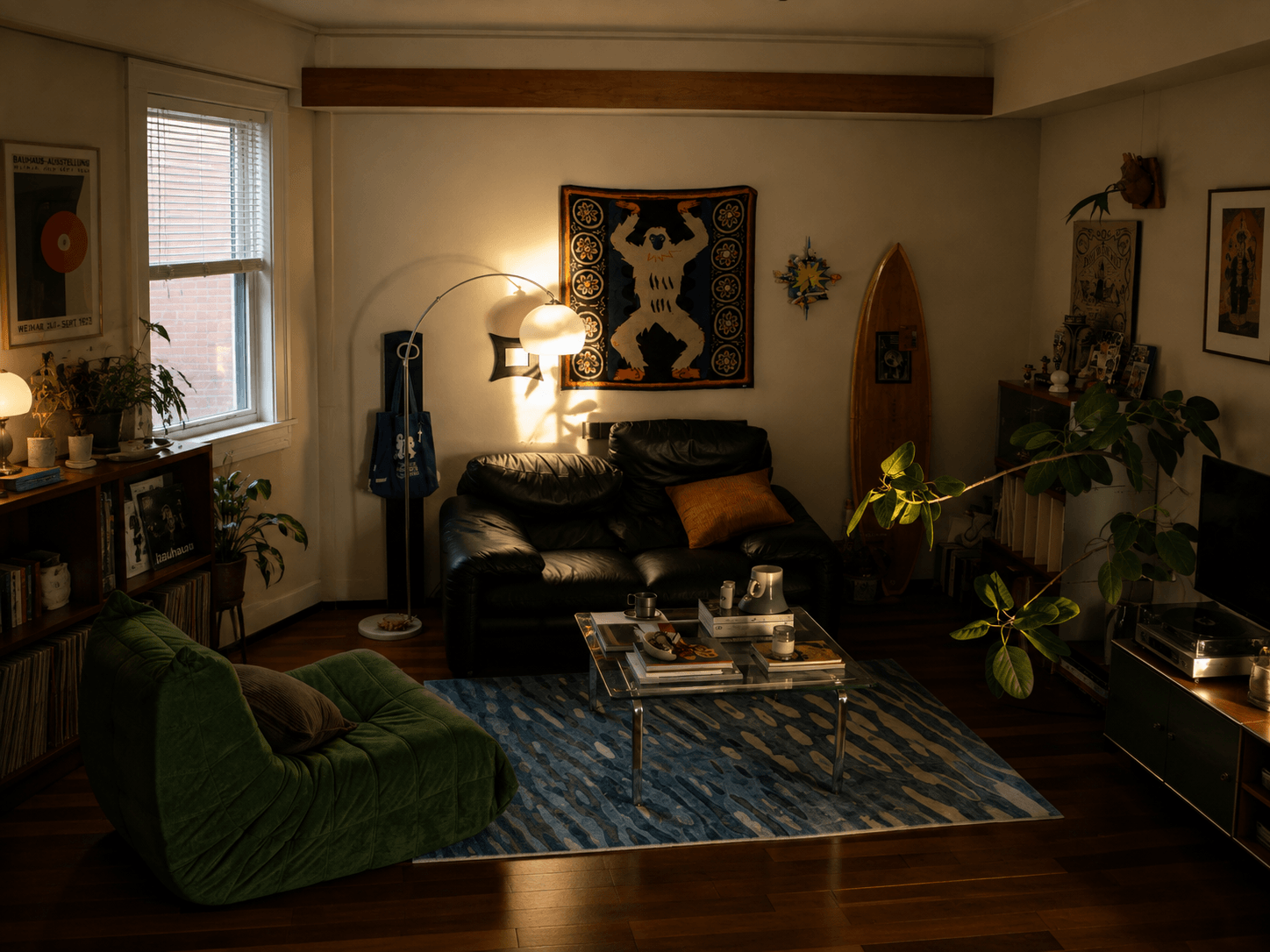
A naturally dim room can still feel good with warm wood, deeper textiles, richer colors, soft pools of light, and materials that don’t depend on strong daylight to look appealing.
That doesn’t mean making the room deliberately darker. And you don’t need to repaint everything forest green because you’ve decided to “embrace the mood.”
It just means you can stop choosing every object according to whether it promises to make the apartment look lighter.
Keep the cream sofa if you love it. Keep the dark wood table if you love that too.
The room you have is allowed to influence the room you design.
Know When the Problem Isn’t Yours to Solve
Not every lighting problem is a decorating problem.
If a built-in fixture flickers, a switch behaves strangely, lights stop working unexpectedly, or you suspect an electrical issue, don’t turn it into a renter DIY project.
Document the problem and contact your landlord or property manager.
The same distinction applies to a fixture that is damaged rather than merely unattractive. There’s a difference between disliking the builder-grade ceiling light and having a ceiling light that doesn’t work properly.
On the other hand, if everything works and the apartment is simply shaded by its location, that isn’t necessarily a maintenance issue either.
It may just be one of the fixed constraints of this particular rental.
A Dark Apartment Doesn’t Have to Become a Bright Apartment
A dark rental doesn’t need to look like a sun-filled apartment you saw online.
It needs enough light for you to cook, read, work, relax, and move through the space comfortably.
Fix the places where darkness actually gets in the way. Make better use of the daylight you already have. Then see what’s left.
If the room is still naturally dim, you may get more from working with that constraint than spending the rest of your lease trying to disguise it.
FAQs
How can I brighten a dark apartment without painting?
Start with the light itself. Clear anything unnecessarily blocking the window, then add light where you actually sit, work, read, or prepare food. Mirrors and lighter decor can help visually, but they work better after the functional lighting problem is solved.
How do you brighten a dark room with little natural light?
Make the most of the daylight that reaches the room, then use artificial light where daylight stops. A floor lamp beside a dark seating area or a task lamp at a desk may help more than trying to make the entire room equally bright.
Do mirrors really make a dark room brighter?
They can make a room feel brighter when they reflect a window or another well-lit part of the space. A mirror placed where there is little useful light to reflect will have much less effect.
What if my apartment is still dark after adding more lighting?
If the room is comfortable to use, you may not need to keep trying to make it look brighter. Some apartments have permanently limited daylight because of their orientation, nearby buildings, or window placement. At that point, working with the room may make more sense than redesigning everything around the lack of sunlight.