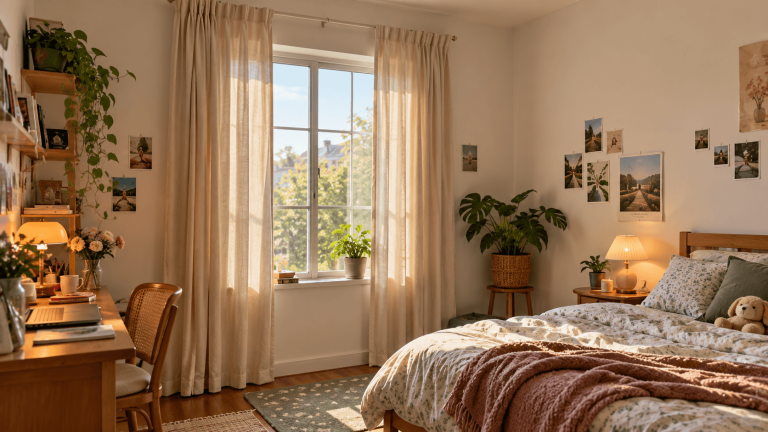
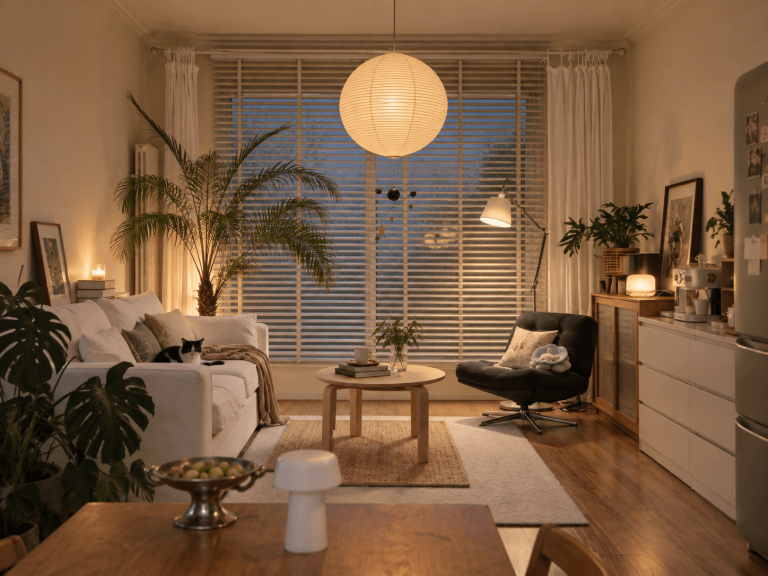
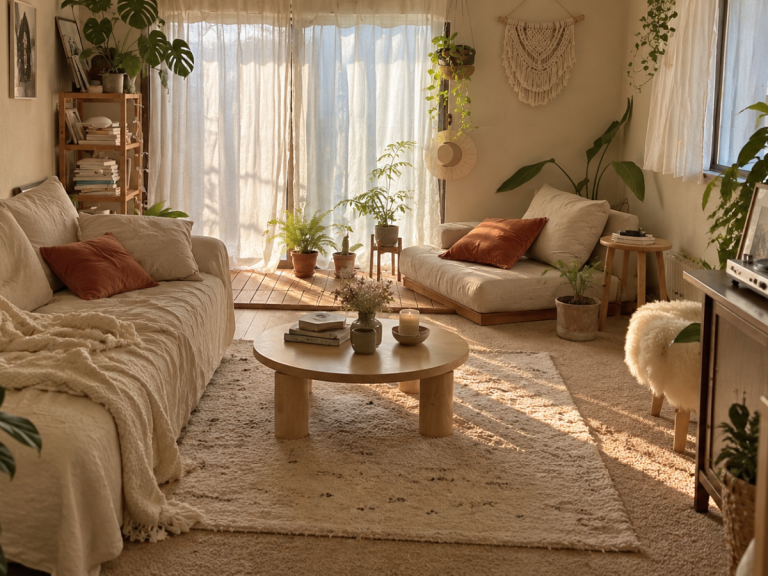
How to Make Beige Rental Walls Feel Intentional Without Painting
Stuck with beige walls in a rental? See what colors work with beige, when to add contrast, and how to make the room feel intentional without painting.
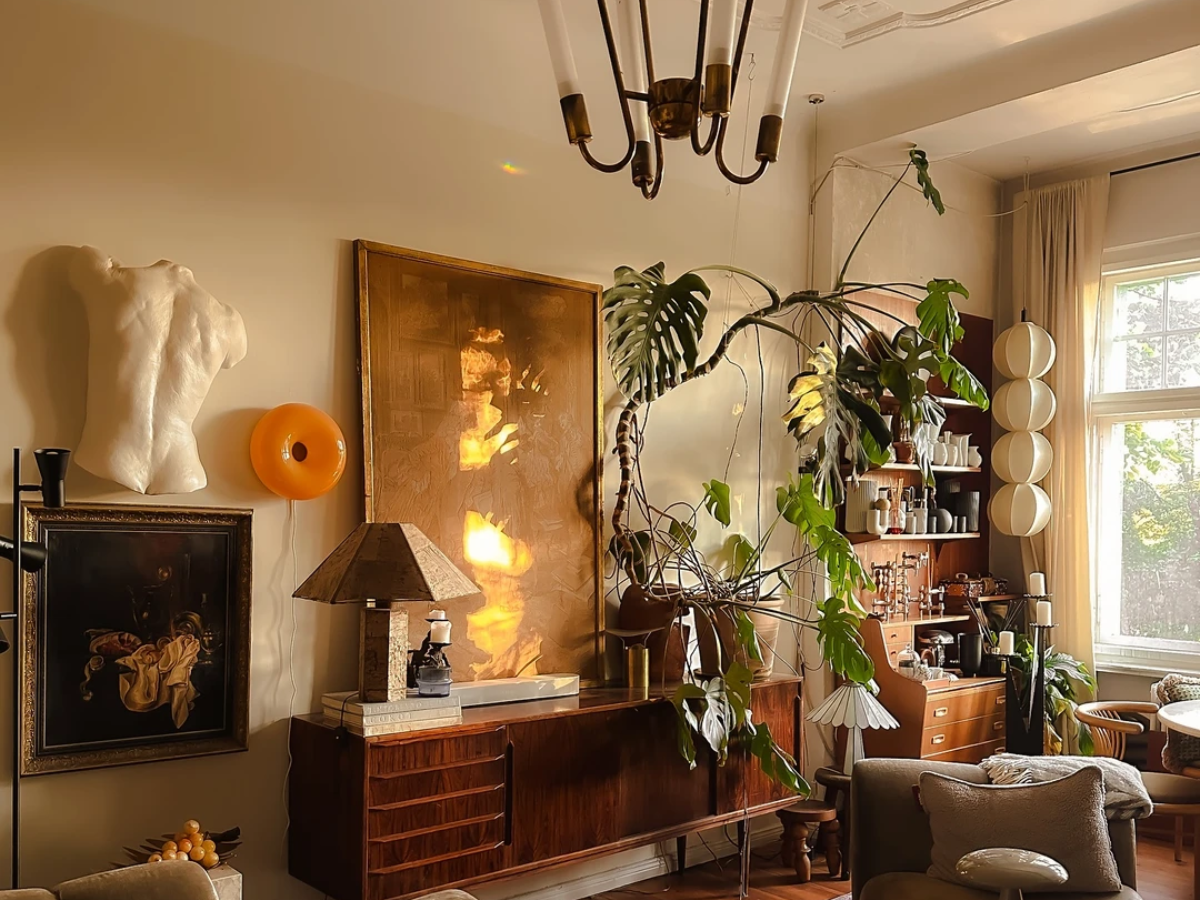
Beige walls do not always need more color. If you are wondering what colors go with beige walls, first figure out whether the room actually needs contrast, a visual anchor, better lighting, or a better relationship between the wall and the furniture you already own.
Sometimes the beige is not the problem at all. It is simply the largest uninterrupted surface in a room where everything else is too similar—or where nothing else has enough visual weight.
Quick Take
First, Figure Out What the Beige Is Actually Doing Wrong
Stand in the doorway and look at the whole room instead of one section of wall.
Is the beige genuinely unpleasant, or is it simply the largest uninterrupted thing you can see?
That distinction matters.
Everything blends together
A beige wall feels much more noticeable when everything else sits in the same light, warm range.
Beige carpet. Cream sofa. Pale curtains. Light wood. Soft tan bedding.
Nothing is necessarily wrong on its own, but there is very little separation between one surface and the next. The room starts to feel flat.
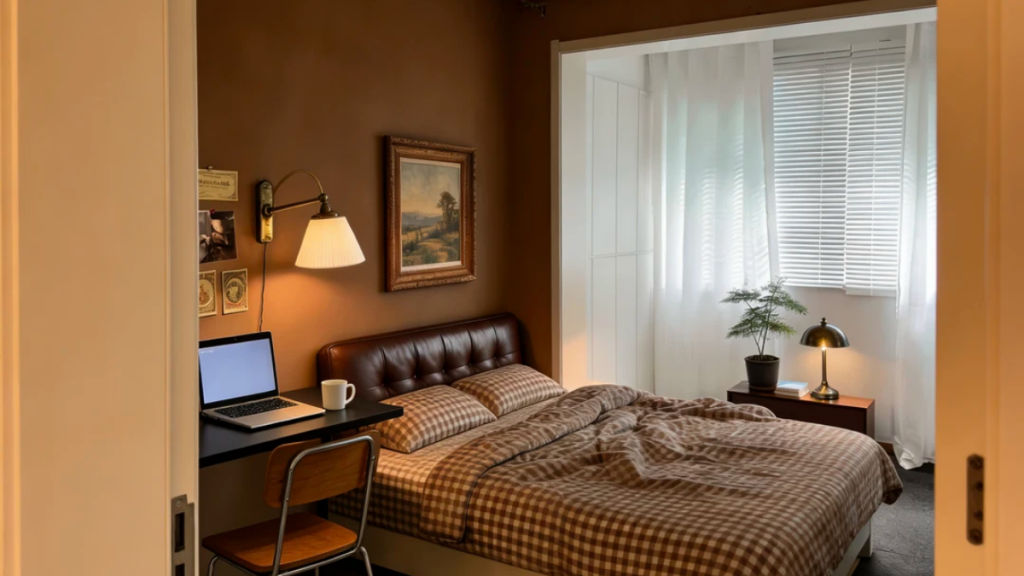
In that case, the problem is less “too much beige” than not enough structure.
You probably do not need five accent colors. You need one or two things with enough visual weight to break up the room.
If the carpet is what visually ties all of those pale lower elements together, start with how the room meets the floor before adding more contrast higher up.
The wall feels empty rather than ugly
A blank beige wall will always look very beige.
There is nothing else for your eye to land on.
This is common in rentals where you have been careful about hanging things or simply never found anything large enough to put there.
Before deciding you hate the color, imagine the same wall with one substantial piece of art, curtains framing a window, or a piece of furniture giving the area some structure.
If the wall already feels less annoying in that version, emptiness may be the bigger problem.
Something you own is fighting the wall
Sometimes one large item simply does not sit well against the beige.
A cool gray sofa may look unexpectedly cold against a warm wall. Bright white bedding can make a yellow-beige look duller. A blue-gray rug may feel disconnected once it is next to your actual flooring and light.
That does not make those colors “wrong for beige.”
It means the combination in your room is not working.
Look at the things that already have to stay before searching for a new palette.
The beige changes character under artificial light
A wall that looks quiet during the day can look much yellower or muddier at night.
Check it in daylight, under the overhead light, and with the lamps you actually use.
If the problem mostly appears after dark, do not start buying cooler-colored decor to fight it.
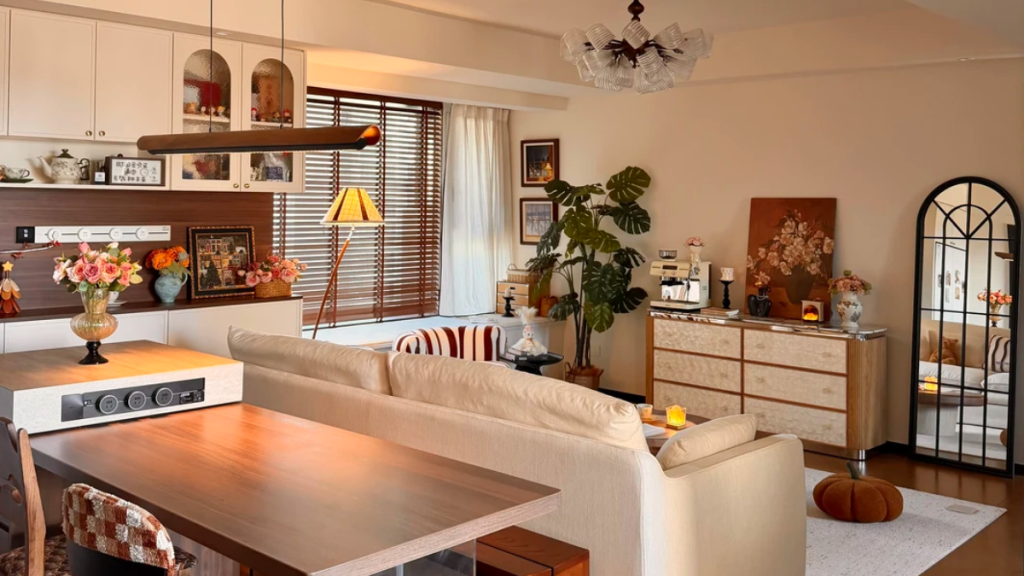
Part of the problem may be the lighting.
If poor light is affecting the whole room, not just the walls, start with How to Fix a Dark Rental Apartment before trying to correct the beige with decor.
Before you do anything else, decide whether the room needs separation, a visual anchor, better lighting, or a better relationship between the wall and what is already there.
Match the Size of the Fix to the Size of the Problem
A wall is one of the largest surfaces in the room.
Three colorful pillows, a candle, a small plant, and a bright vase may add personality, but they do not carry the same visual weight as four beige walls.
So the room still looks beige.
Then it is easy to keep adding things.
Often the problem is simply scale.
Start with one large movable surface
Ask:
What is the largest movable thing this room already needs?
In a living room, that may be a rug or curtains.
In a bedroom, it may be the bedding.
In another room, it could be one substantial piece of art, a larger piece of furniture, or a textile that already has a job to do.
A rug can separate pale walls from a pale floor. Curtains can give a window enough presence that the wall no longer feels like one long beige plane. Bedding can change the visual balance of an entire bedroom without touching the walls.
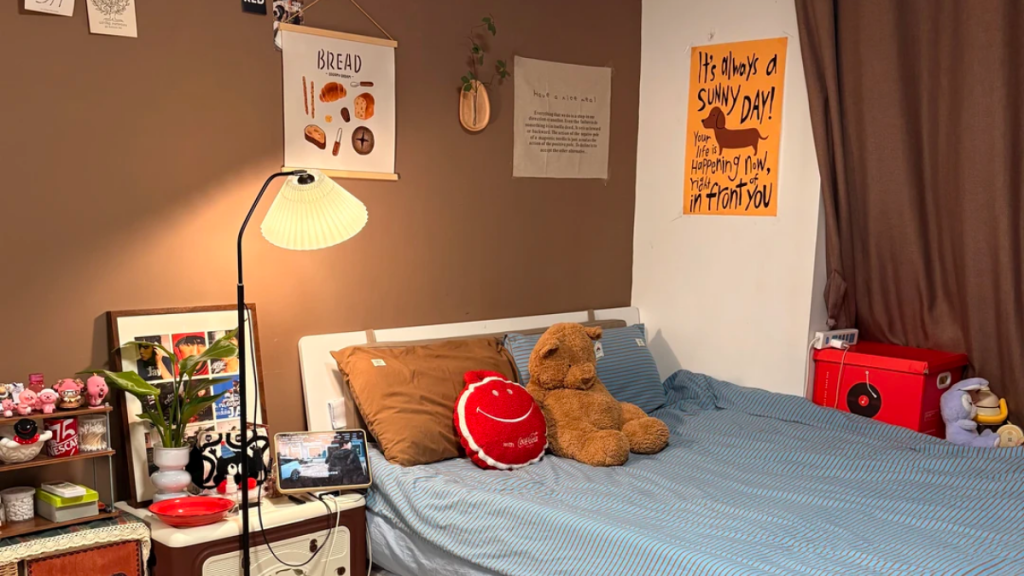
That does not mean every beige room needs a rug. It means that if you are going to change something, start with something large enough to matter.
If the wall is mostly empty, give it one clear anchor
An empty wall does not need to be filled from edge to edge.
It may just need one place for the eye to stop.
That could be one larger piece of art, a small grouping that reads as a single composition, curtains around a window, or a tall freestanding piece that already belongs in the room.
The beige then becomes the space around something intentional instead of the thing you notice first.
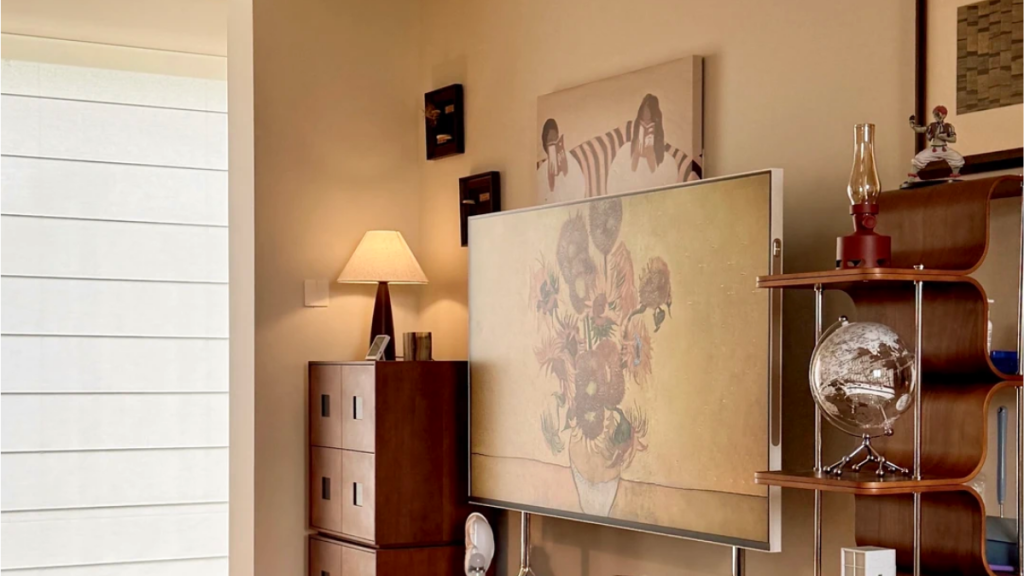
Use a hanging method that makes sense for your lease, wall surface, item weight, and the manufacturer’s instructions. There is no need to turn this into another wall project.
If one strong anchor is enough, leave the rest of the wall alone.
What Colors Go With Beige Walls? Decide Whether to Blend or Create Contrast
Once the room has enough structure, the color question gets simpler.
You can either let the beige stay part of a warm neutral room or create enough contrast that it recedes.
Work with it if the beige itself is not the problem
Sometimes the wall color is fine. The room just feels generic.
In that case, treating the beige as an existing warm neutral may work better than fighting it.
Cream, off-white, deeper tan, camel, warm wood, and natural textures can all sit comfortably with many beige walls.
Just avoid making every surface the same brightness.
A pale wall still benefits from a deeper textile, a darker piece of furniture, or something else that gives the room a little definition.
The goal is not to match everything to the wall.
It is to make the beige look like part of a deliberate range.
Create distance if the room needs separation
If the space feels too pale, too warm, or too blended together, introduce one contrasting direction.
That might be muted green, deeper blue, charcoal, black, rust, terracotta, or simply a color that is already present in something you plan to keep.
The exact color matters less than how much of it you use and where it appears.
A darker rug may do more than several small accessories. Artwork can repeat one color already used elsewhere. Curtains can add contrast without turning every shelf into part of a color scheme.
Repeat the direction two or three times and stop.
Don’t Cover a Wall Just Because You Can’t Paint It
Rental advice often turns one restriction into another project.
You cannot paint, so the next suggestion is peel-and-stick wallpaper.
But the wall may not need covering at all.
Look at what changed after the smaller experiments.
Did a rug give the room enough separation?
Did curtains make the window feel more finished?
Did one larger artwork stop the wall from feeling empty?
Did better lighting make the beige much quieter?
If so, the wall may already be doing its job.
It is background.
That can be enough.
Covering a wall means buying material, measuring, installing it, living with it, and eventually removing it. That can still be worth doing—but only if the wall itself is what continues to bother you.
Ask yourself:
Do I actually dislike seeing this wall color, or did I dislike how unfinished the room felt around it?
Those are different problems.
If the beige itself still bothers you after the rest of the room is working, then it makes sense to consider a temporary covering. At that point, Is Removable Wallpaper Worth It in a Rental? is the next decision—not because you cannot paint, but because you have already figured out that the wall itself is the part you want to change.
If the room already feels good enough without covering anything, stop there.
The wall can stay beige.
So, What Should You Change First?
If everything in the room blends into the same pale neutral range, start with one larger movable source of contrast.
If the wall mostly feels empty, give it one clear visual anchor.
If your furniture looks wrong against the beige, work from the things that already have to stay instead of following a generic color palette.
If the wall looks much worse at night, check the lighting before buying colors to correct it.
If one or two larger changes already make the room feel intentional, stop there.
And if you still genuinely dislike seeing the wall itself, then decide whether covering part—or all—of it is worth another project.
Beige does not have to become a color you love.
It only needs to stop being the only thing holding the room together.
FAQ
How do you make beige rental walls look better without painting?
Start by figuring out what is making the room feel off. If everything blends together, introduce one larger source of contrast. If the wall mostly feels empty, give it a clear visual anchor. If the beige looks worse under artificial light, check the lighting first. Rugs, curtains, bedding, and artwork usually have more visual impact than adding lots of small decorative objects.
What colors go with beige walls?
It depends on the beige, the lighting, flooring, and furniture already in the room. Warm neutrals can make beige feel more deliberate, while muted greens, deeper blues, charcoal, black, and other darker tones can create separation. Judge the combination in the actual room rather than relying on a generic color chart.
How do you add color to a rental when you can’t paint?
Start with larger movable surfaces that already have a purpose, such as a rug, curtains, bedding, artwork, or textiles. One substantial use of color usually changes a neutral room more than several small accessories. Choose one direction and repeat it selectively.
Should you use peel-and-stick wallpaper over beige rental walls?
Only if the wall itself is still the problem. First see whether contrast, artwork, curtains, furniture, or better lighting already change enough. If you still want to cover the wall, then consider the wall surface, lease rules, cost, installation, removal, and how long you expect to stay before deciding whether the project is worth it.