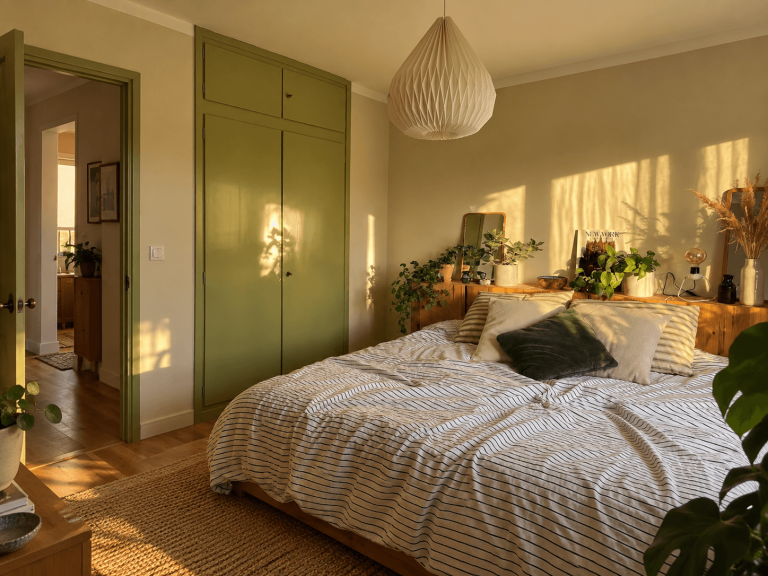
Is a Sofa Slipcover Worth It for a Furnished Rental?
Considering sofa slipcovers for a furnished rental? Compare daily use, upkeep, fit, lease length, and whether the cover will still be useful after you move.
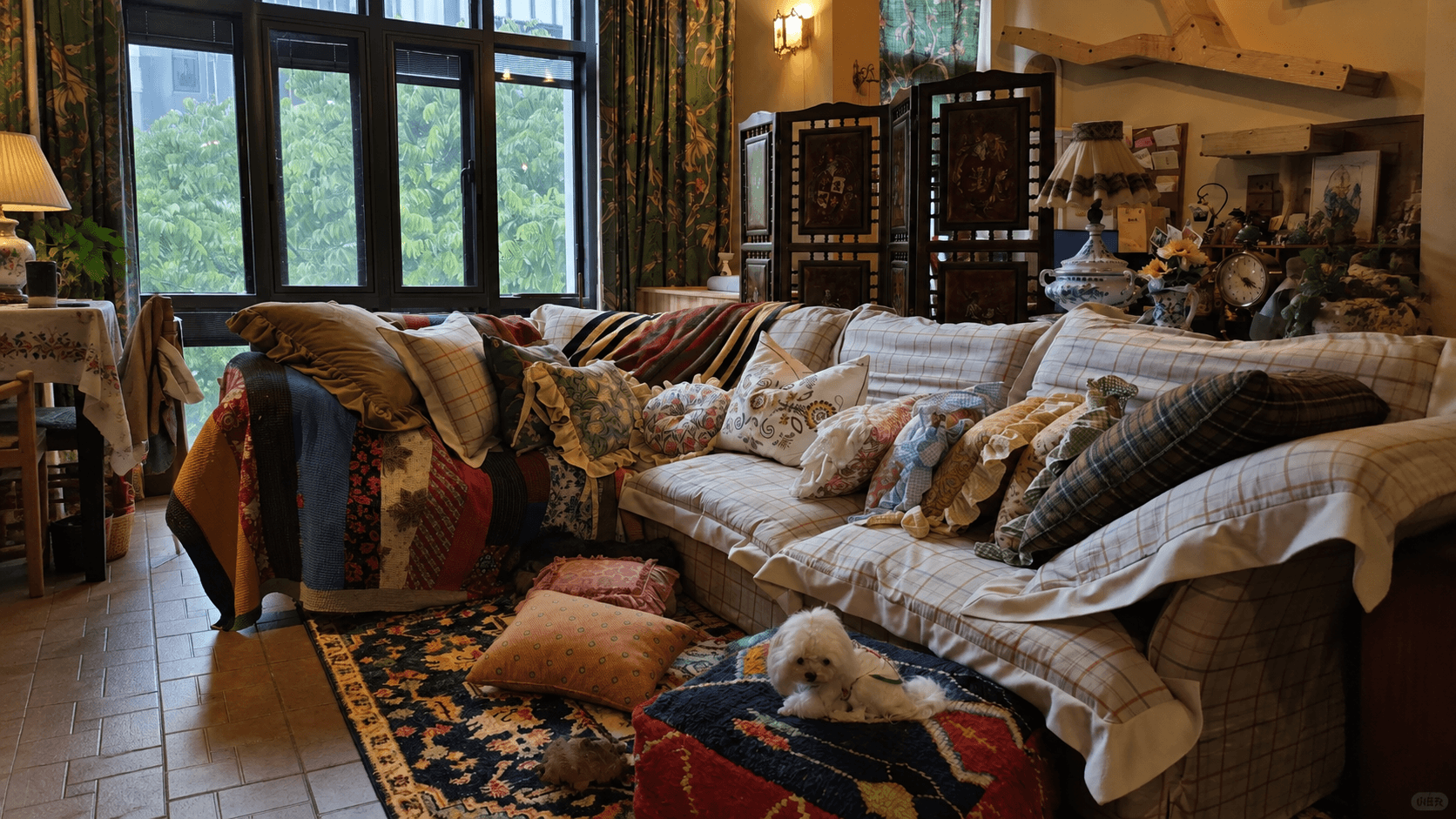
Sofa slipcovers can be worth buying for a furnished rental when you use the sofa often, expect to stay long enough to get real value from the cover, and the upkeep does not become another chore.
The harder question is what happens to that value when you move. A fitted slipcover may work beautifully on this sofa and be almost useless on the next one.
Judge the purchase by daily use, maintenance, lease length, and how portable the value really is.
If you are still deciding whether a slipcover is the right fix at all, start with Ugly Sofa in a Furnished Rental? What to Do Before You Buy a Slipcover. Here, I am assuming you already know that covering the sofa would improve the room.
Quick Take
Already know a slipcover is worth buying for this sofa? See the two fit approaches worth comparing →
How Much Use Will You Actually Get From It?
The price tag does not tell you much by itself.
A cover that feels expensive upfront can look very different once you spread the cost across the months you will actually use it.
For example, a $120 cover used for two years works out to about $5 a month. Use the same cover for only six months and that jumps to about $20 a month—with a much higher chance that you will have no use for it afterward.
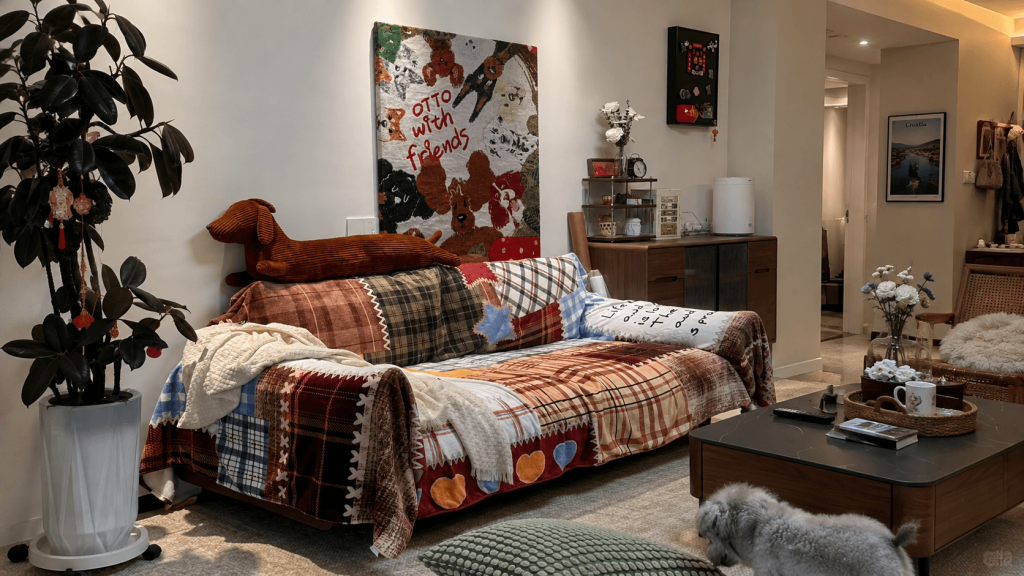
How often you use the sofa matters just as much. A cover on the sofa you sit on every evening has plenty of chances to make the room feel better. A cover on a guest-room loveseat you barely touch does not.
I would look at those two things together: how many useful months are left, and how often the sofa is actually part of your routine.
A cover earns more when the sofa is part of everyday life.
Count the Upkeep as Part of the Price
Some slipcovers disappear into the room once they are on. Others become a new household task.
If the fabric needs to be retucked after every movie night, pulled back over the arms each morning, or smoothed out whenever someone stands up, that effort belongs in the decision too. The same goes for a cover that is technically washable but annoying enough to remove and reinstall that you keep putting it off.

A $40 cover that needs attention every day can end up feeling like a worse purchase than a $90 one that mostly stays where you put it.
Cheap is not the problem. The problem is when the lower price creates a new source of friction.
A workaround should remove friction, not replace one annoyance with another.
Will the Cover Still Be Useful After You Move?
This is where a furnished rental changes the value of the purchase.
A basic stretch cover in a common size has a reasonable chance of working on another sofa later. A loose throw-style cover is even less dependent on the exact sofa underneath.
A highly fitted cover is different.
If it only works because it matches the exact width, arm shape, cushion layout, or proportions of the current sofa, its useful life may end with this lease.
That does not make a fitted cover a bad purchase. A better fit may stay in place more reliably and look much more intentional.
It simply means you are trading some moveability for a better result now.
The less reusable the cover is, the more value it needs to deliver in this rental.
You may be buying a cover for someone else’s sofa. That is worth remembering before paying a premium for a very specific fit.
Protection Can Change the Math
A slipcover may also be doing more than changing the way the sofa looks.
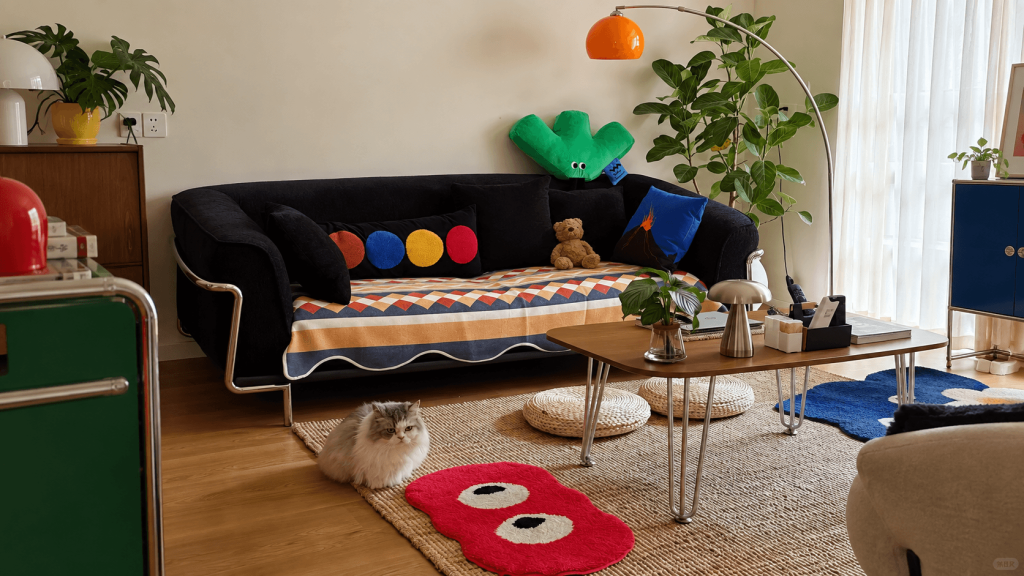
If you eat or drink on it, have a pet, or simply feel more cautious because the furniture belongs to the landlord, a washable layer can make normal use less stressful.
That extra function matters. A cover you were already considering for appearance becomes easier to justify when it also handles pet hair, minor spills, and everyday wear.
It will not prevent every kind of damage, and it does not change whatever responsibility you have for the furniture under your lease.
But when one purchase gives you both a visual improvement and more freedom to use the sofa normally, its value goes up.
What Else Could the Same Money Improve?
Before spending $100 or $150 on a slipcover, compare it with what the same amount could do elsewhere in the rental.
That money might buy a lamp, a rug, or better bedding that can follow you to the next place.
Those purchases are not automatically better. If the sofa dominates the living room and you use it every day, covering it may still create the biggest improvement for the money.
But the comparison exposes weak purchases quickly.
If the slipcover changes the room enough that you will appreciate it every day, it may win. If it only makes the sofa slightly less annoying, I would rather put the money into something that can leave the rental with me.

A Faster Worth-It Check
A slipcover becomes easier to justify when more than one kind of value overlaps.
| WHAT YOU GET | WHY IT ADDS VALUE |
|---|---|
| Daily visual improvement | You notice the change often |
| Protection | The cover solves more than one problem |
| Long use in this rental | The cost is spread over more time |
| Reuse after moving | The purchase outlives this sofa |
You do not need all four.
But if you only have one—and that one is “the sofa looks a little better”—keep the purchase small.
If a Slipcover Still Makes Sense, Choose for Fit and Reuse
Once the purchase itself makes sense, I would compare covers in a different order than color or pattern. Start with how specifically the cover needs to fit this sofa. A stretch cover in a common size gives you more flexibility now and a better chance of reusing it later. A more structured or fitted cover can look cleaner and stay in place better, but the closer the fit is to this exact sofa, the more cautious I would be about paying a premium. Then check the maintenance. If the cover is washable but difficult to remove, constantly needs retucking, or has separate pieces you will resent reinstalling, that upkeep belongs in the price too. For a landlord-owned sofa, I would pay for a better daily experience before I paid for a perfect custom-looking fit.
Two Sofa Slipcover Types Worth Comparing
At this point, I would compare fit before color. A one-piece stretch cover gives you more flexibility, while a multi-piece cover can create a cleaner result on the sofa you have now. For furniture you do not own, that fit-versus-reuse tradeoff matters.
Affiliate disclosure: We may earn a commission if you buy through links in this section, at no extra cost to you.
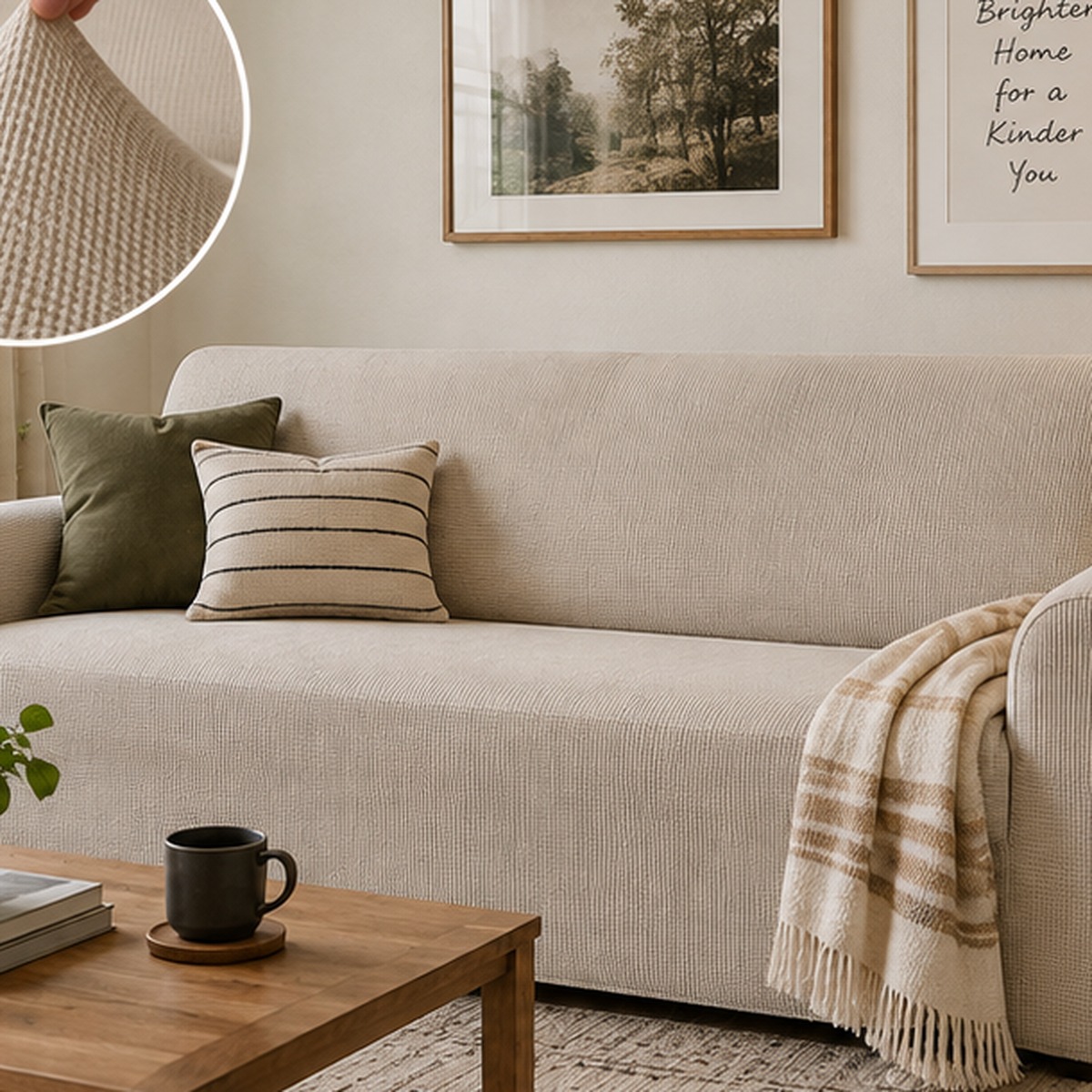
Easy-Going 1-Piece Stretch Sofa Slipcover
A one-piece stretch cover is the more flexible approach when you want to change the look of a landlord-owned sofa without making the purchase too specific to this exact piece of furniture.
Good fit: a fairly standard sofa shape where easy installation, washability, and a better chance of reusing the cover later matter more than achieving a tightly upholstered look.
What to watch: one-piece covers rely more on stretching and tucking. If the sofa has unusual arms, loose cushions, or proportions outside the intended size range, you may spend more time readjusting the cover after daily use.
Check current details on Amazon →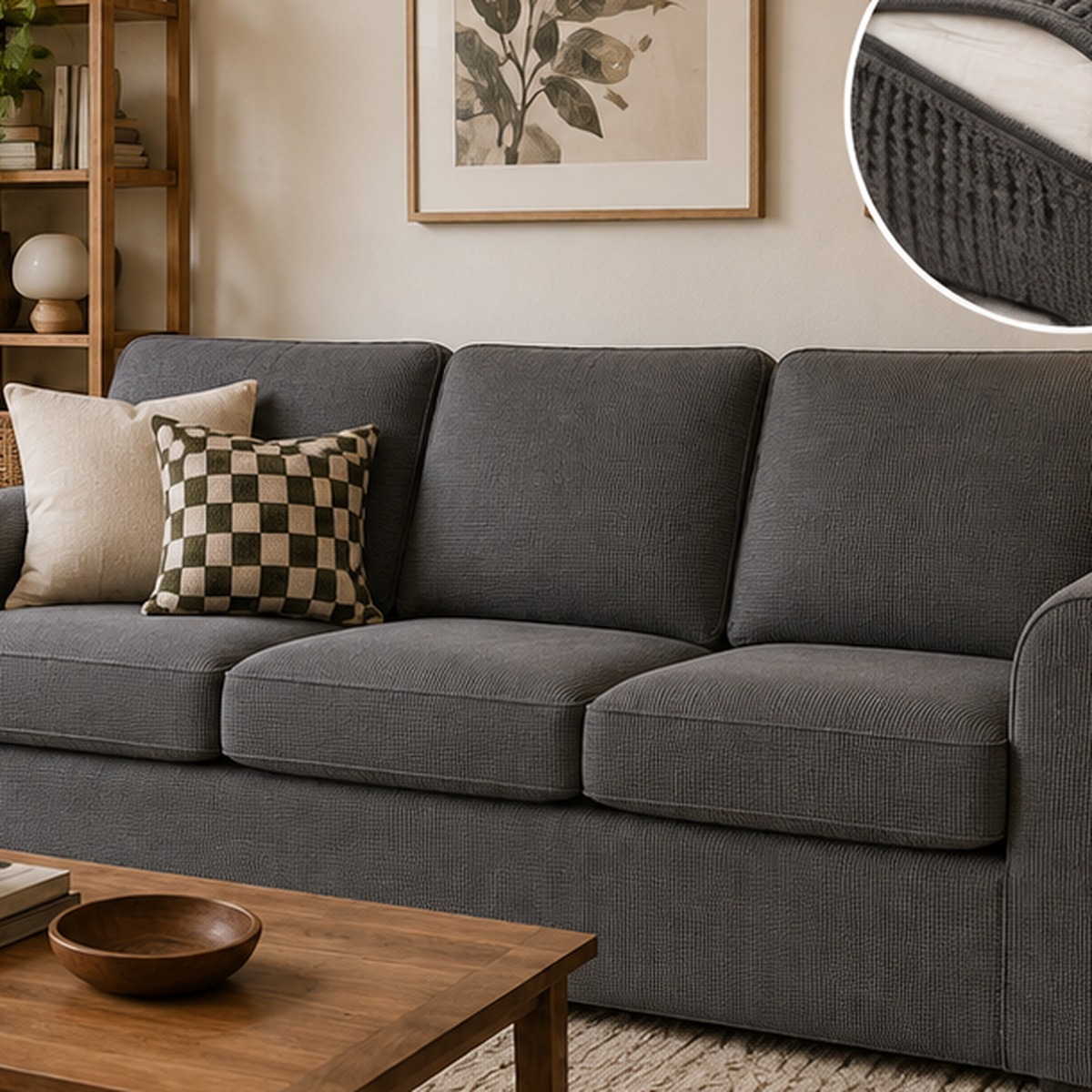
H.VERSAILTEX 4-Piece Stretch Sofa Cover
A multi-piece cover trades some flexibility for a more structured fit. Separate cushion covers can make the sofa look less like it has a single sheet stretched over it and may reduce how much fabric shifts during use.
Good fit: a three-cushion sofa you expect to use for a meaningful amount of time, especially when a cleaner finished look is worth more to you than maximum reuse after moving.
What to watch: the more the cover depends on this sofa’s cushion count, dimensions, arm shape, and proportions, the less certain it becomes that the same set will work on your next sofa.
Check current details on Amazon →If getting the cleaner fit means spending substantially more on a cover shaped around this exact sofa: go back to the useful-life calculation before upgrading. You may be solving the landlord’s furniture with too much of your own money.
So, Is a Sofa Slipcover Worth It for a Furnished Rental?
Yes—when you use the sofa often, expect to live with it long enough, and can choose a cover that improves the room without becoming a new maintenance problem.
The shorter the useful life and the more specific the fit, the less I would spend.
For landlord-owned furniture, the best slipcover is not necessarily the one that fits perfectly.
It is the one that improves daily life enough to justify what you will spend before you move on.
FAQ
How much should I spend on a sofa slipcover for a rental?
There is no fixed renter budget that works for everyone. Judge the price against how many months you expect to use the cover, how often you use the sofa, and whether the cover has any realistic life after this rental.
A higher price is easier to justify for a daily-use sofa over a longer lease. It is much harder to justify when the purchase has a short life and no clear reuse.
Is an expensive fitted slipcover worth it for a furnished apartment?
It can be, especially if you have a longer lease, use the sofa constantly, and the cover makes a noticeable difference without adding much maintenance.
The more specific the fit is to one landlord-owned sofa, though, the higher I would set the bar. If you may move soon, a heavily sofa-specific cover is harder to justify.
Is a cheap stretch slipcover good enough for a rental?
Yes, if it stays in place well enough and does not create much extra work.
A low-cost cover can be a very sensible rental purchase because the commitment stays small. The problem is not that it is cheap; the problem is when the low price comes with constant slipping, bunching, or retucking.
Should I buy a slipcover if I’m moving soon?
Usually only if it is inexpensive, solves something you notice every day, or is likely to work in your next home too.
If you only have a few months left and the cover is specific to this sofa, I would usually save the money for something more portable.