Is Removable Wallpaper Actually Worth It for Renters?
Removable wallpaper for renters can transform one problem wall, but is it worth it? Check the surface, removal risk, lease, project size, and effort first.
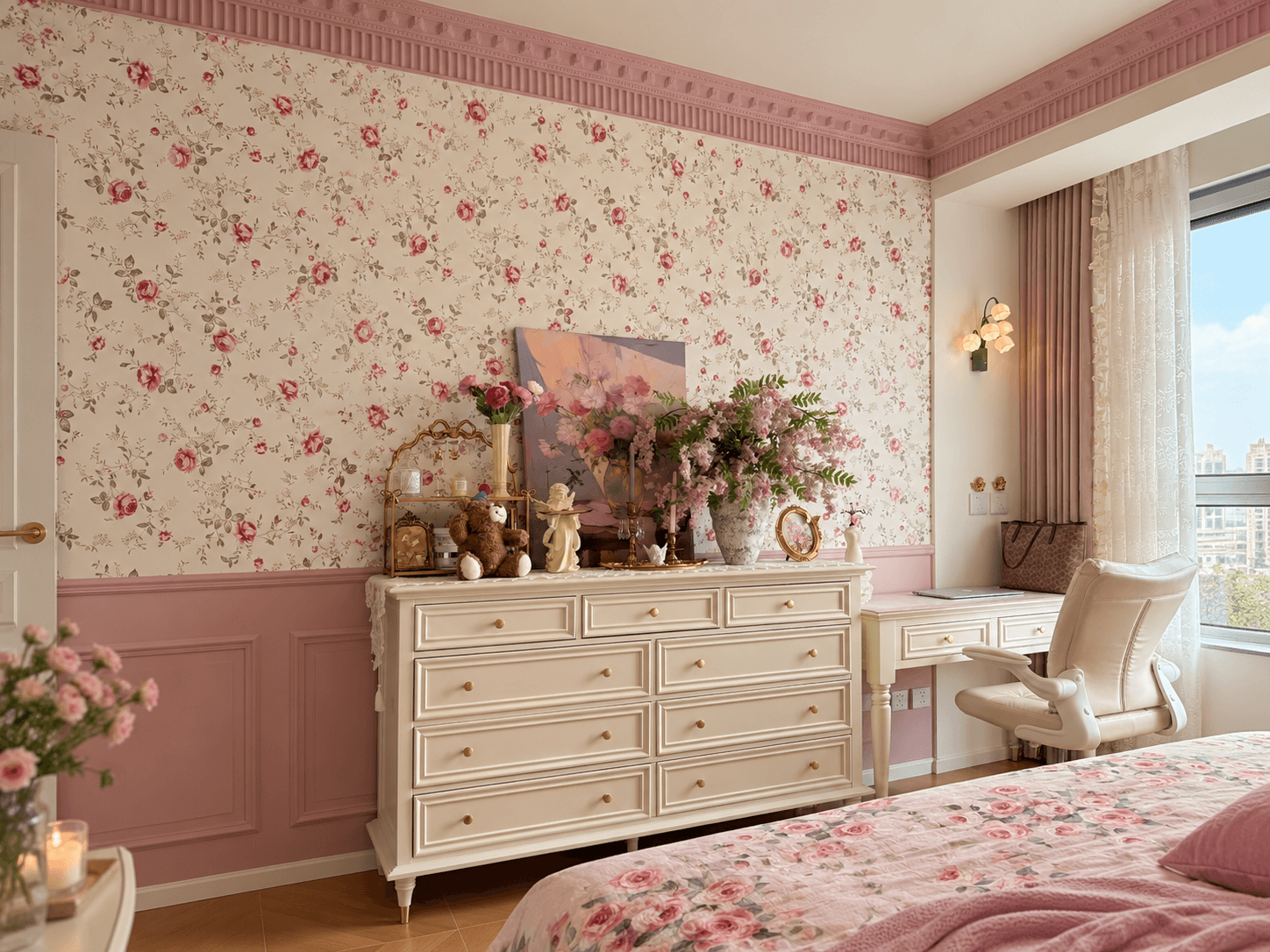
Removable wallpaper for renters can be worth it when one specific wall is making the whole room feel wrong. But “removable” does not automatically mean low-risk or low-effort.
Before choosing a pattern, check three things: whether the wall itself is actually the problem, whether the surface is suitable, and whether the visual payoff is worth both installing the wallpaper now and removing it later.
If the project only makes sense once you cover most of the room, it may already be doing too much.
Quick Take
First, Figure Out Whether the Wall Is Actually the Problem
“The walls are boring” is a very broad problem.
Maybe the wall behind the bed is what makes the bedroom feel unfinished. Maybe the first wall you see from the entry dominates a small apartment. Or maybe there is one large blank wall behind the sofa that makes the whole living room feel flat.
Those are different from simply having beige walls.
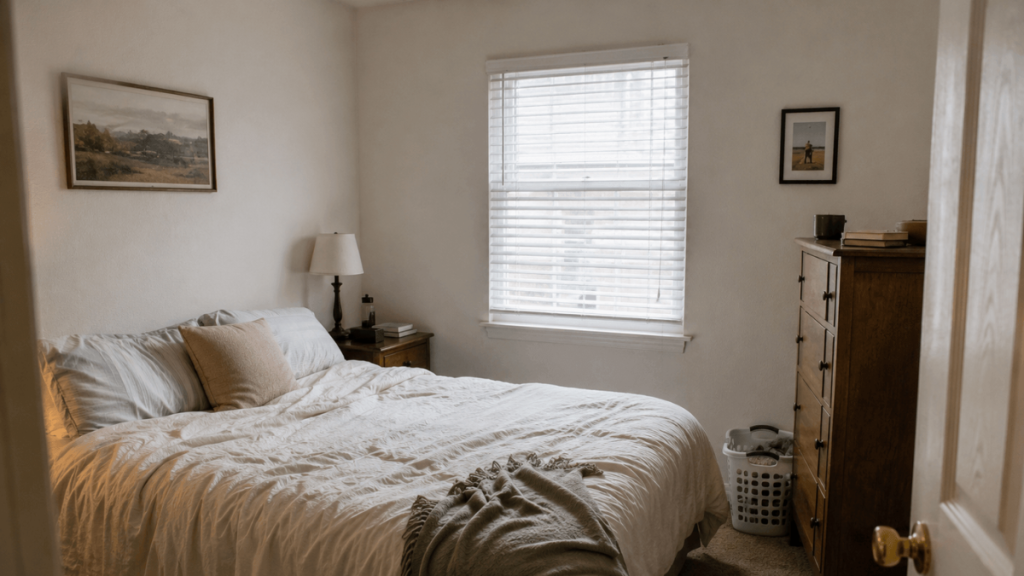
Try to identify the wall you would change if you were only allowed to change one.
If the answer comes easily, wallpaper may have a clear job to do. One high-impact wall can change how the room reads without requiring you to remake the entire space.
If you cannot identify one, I would wait before buying anything.
Sometimes beige walls feel worse because the furniture, rug, and curtains are all sitting in the same narrow color range. Sometimes poor lighting makes an otherwise tolerable paint color look dull or gray.
If the room feels bland more than the wall feels genuinely bad, start with [How to Make Beige Rental Walls Feel Intentional Without Painting]. The wall may not need changing at all.
What Makes Removable Wallpaper Renter-Friendly? Start With the Wall
Once you have a specific wall in mind, look at the surface itself.
Smooth walls with paint in good condition are the easier candidates. Heavy texture, peeling paint, damaged drywall, or a fragile-looking paint layer make removal less predictable.
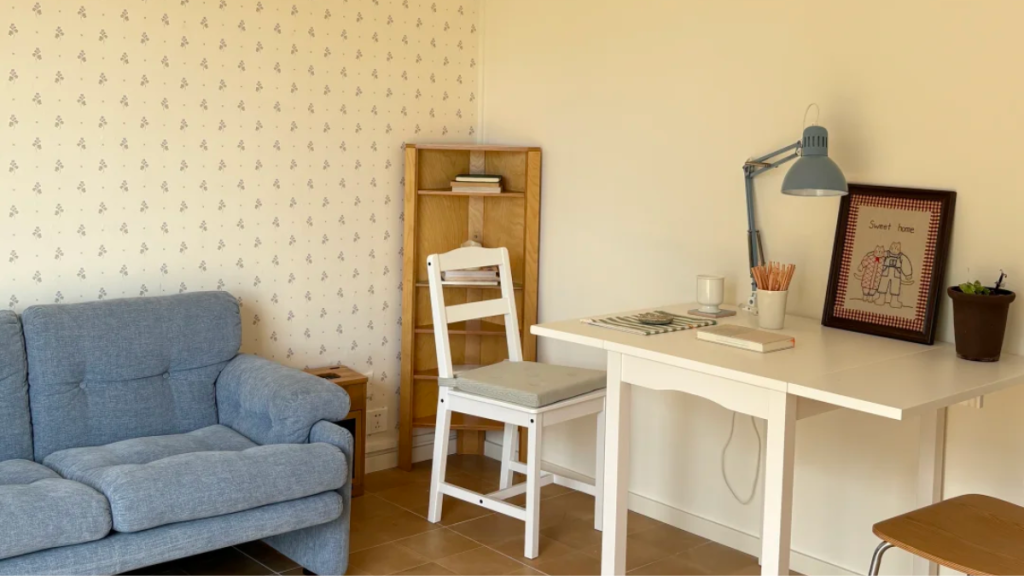
If the wall is textured, adhesion is only part of the question. Check whether peel-and-stick wallpaper can actually work on your textured wall before committing to the project.
“Removable” describes the wallpaper. It does not guarantee that whatever is underneath will come away untouched.
That is why I would test a small piece before committing to the whole wall, especially when you do not know much about the paint.
Check the lease too. If temporary wall coverings are prohibited—or the wording is vague enough that you are unsure—it is better to find out before covering a large area.
And if the wall itself needs repair, that is no longer really a decorating problem. Ask the landlord before trying to cover it.
Count the Project Twice
Once the wall passes those first two tests, the decision becomes simpler:
Is changing it worth both putting the wallpaper up and eventually taking it down?
Most wallpaper inspiration only shows the middle part—the finished wall.
You do not see much of the measuring, trimming, pattern matching, working around outlets, repositioning a crooked strip, or moving furniture out of the way.
For one simple wall, that may still be perfectly reasonable.
Four walls are a different project.
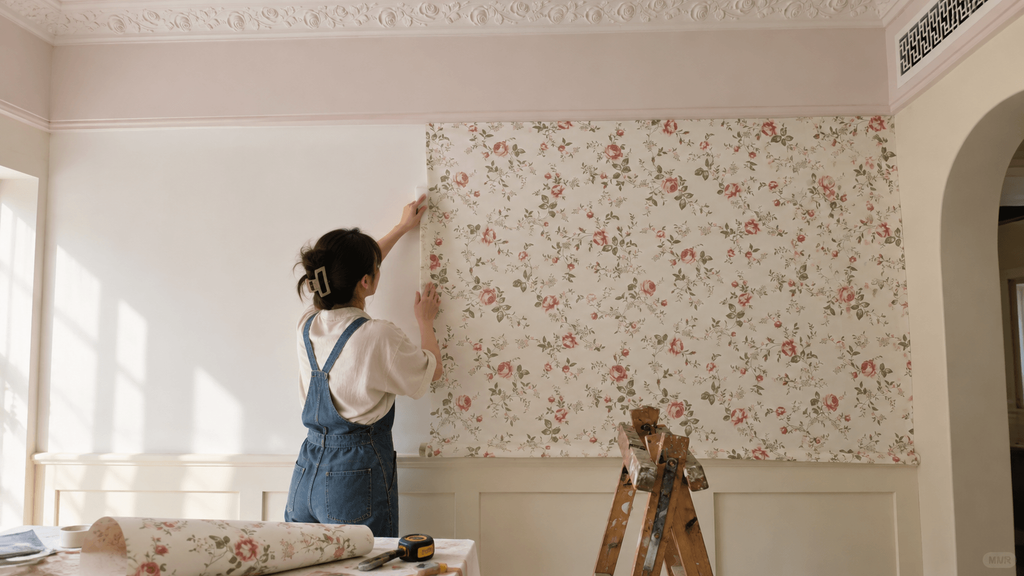
There is more material to buy, more room for mistakes, and eventually much more wallpaper to remove. That is why I would be cautious when a one-wall idea keeps expanding.
How long you expect to stay matters too, but I would not turn it into a rule like “wallpaper is only worth it if you have 18 months left on your lease.”
Instead, ask:
Will I enjoy this wall long enough that doing the project now—and undoing it later—still feels reasonable?
That is the same calculation behind a lot of temporary rental changes. If you find yourself spending more time, money, or effort simply because something is reversible, it may help to step back and ask [Is This Rental Upgrade Actually Worth It?]
Start Smaller Than the Saved Photo
If you are still unsure, reduce the size of the idea before abandoning it.
You do not need to recreate the full-room wallpaper treatment you saved on Pinterest.
A wall behind the bed, a small entry wall, an alcove, or another contained area may give you most of the effect you wanted. It also limits the amount you will eventually need to remove.
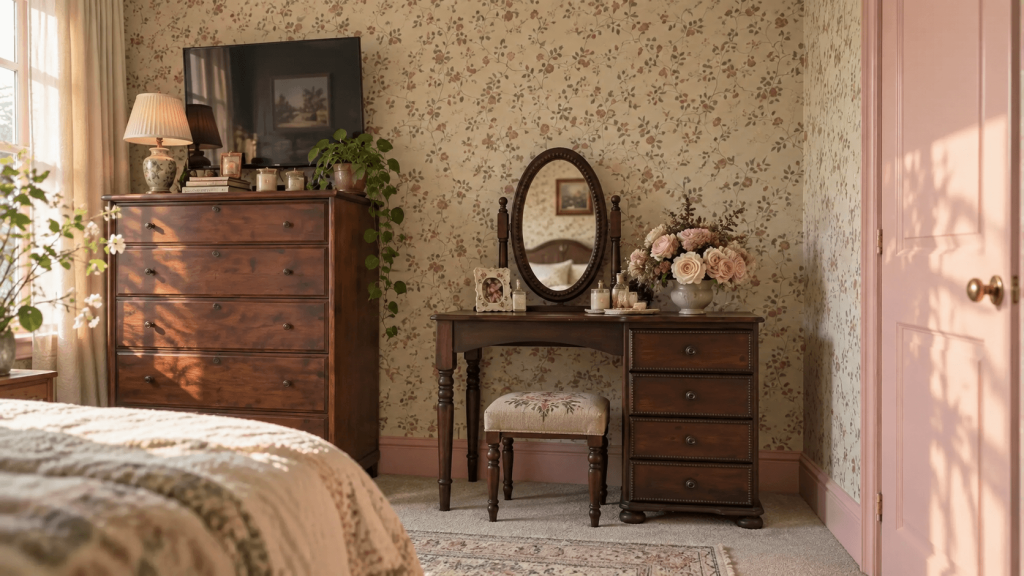
Starting smaller gives you another advantage: you get to live with the pattern.
Something that looks great in a saved image can feel much louder once it is sitting behind your furniture every day. A contained wall gives you a better chance to find that out without turning it into an entire-room decision.
When I Would Skip Removable Wallpaper
I would leave it alone if the paint or wall surface already looks questionable.
I would probably skip it if I expected to move soon and the installation would be anything more than a small project.
And I would reconsider the idea if it only starts to feel worthwhile once the wallpaper spreads across most of the room.
That last one is the biggest warning sign.
If one wall can solve the problem, you have a contained rental change. If every wall needs covering before the room feels acceptable, wallpaper may be doing too much work.
The better fix might be somewhere else.
If lighting is making the room and its finishes look worse, [No Overhead Light in Your Rental? Start With These Lamp Placements] may change more than another layer on the wall. If the walls are simply bland, work with the room around them first.
Not every permanent feature needs to be disguised.
So, Is Removable Wallpaper Worth It?
For the right wall, yes.
I think it works best when you can point to one specific wall and say, that is the part of this room I want to change. The surface is suitable, the project stays contained, and you will live with the result long enough for the effort to make sense.
The calculation gets worse as the project spreads.
“Removable” does not mean effortless. You still have to put it up, live with it, and take it down.
So do not judge removable wallpaper by how easy it looks to install.
If the answer is yes for one wall, that may be enough.
If the answer only becomes yes after covering the whole room, I would leave the walls alone and solve the room somewhere else.
FAQ
Can removable wallpaper damage rental walls?
It can. The wallpaper may be designed to peel away, but the condition of the paint underneath matters. Weak or peeling paint, damaged surfaces, and some textured walls can make removal less predictable, which is why a small test area is worth doing first.
Is peel-and-stick wallpaper worth it if I only have a year left on my lease?
It can be, especially if the project is limited to one small, high-impact wall. I would judge it less by the exact number of months and more by the amount of work involved: a simple accent wall is easier to justify for a year than an entire room you will soon have to undo.
Should I wallpaper one wall or the whole room in a rental?
Start with the wall that bothers you most. If changing that one wall makes the room feel substantially better, there is little reason to turn it into a larger temporary project.
Is peel-and-stick wallpaper renter-friendly?
It can be, but “renter-friendly” depends on more than the wallpaper being removable. The wall surface, paint condition, lease rules, installation area, and removal all matter. Test the actual wall before committing to a large project, and do not assume a product labeled removable is automatically safe for every rental surface.